


A research of Bournemouth University eTourismLab and Australian Tourism Data Warehouse (ATDW) about the utilisation of technology by Destination Management Organisations to inspire, promote, facilitate, engage travel.
Even the best online Destination Management Organisations around the globe still underutilise technology to inspire, promote, facilitate, engage travel. Research undertaken by the Bournemouth University eTourismLab in collaboration with the Australian Tourism Data Warehouse (ATDW) shows that only a fraction of the available technology tools are used comprehensively for promoting destinations online and the vast majority of destinations do not exploit technological capabilities fully.
The project is assessing the online presence of global destinations with the view to contribute to Australia’s national online tourism strategy. In a keynote speech today at the National Tourism and Events Excellence (TEE) Conference at the Melbourne Cricket Ground, BU eTourism Lab Director Professor Dimitrios Buhalis presented the preliminary results of the study and called for destinations to take advantage of the emerging available tools.
The research is using benchmarking and best practice analysis to assess the way in which online destinations worldwide are using technologies and applications. Global best practices for e-destinations are identified by using a detailed content analysis of destinations’ website presence and social media applications. At the same time, through a series of workshops, in Australia and elsewhere, the industry, government and education perspectives about e-destinations are taken into consideration in order to get an insight into the future and vision for destination management systems and website presence.
The research is examining a total of 30 best practice destinations from around the world, including 20 global and 10 Australian destinations. A variety of factors is analysed that can facilitate consumers to search on the destination’s websites and social media platforms before, during and after a holiday. The research explores and evaluates how the destination web presence and social media applications inspire, inform and facilitate as well as encourage travelers to remember, share and engage with the destination. The research identifies best practice for destinations’ web presence from around the world.
Professor Dimitrios Buhalis said “The results indicate that even the best Destination Management Organisations online still underutilise technology. Most of the 30 destinations concentrate in providing information primarily for the before travelling phase. Few destinations use any technology for the during the travel period at the destination, or after the trip. Only a fraction of the available technology tools are used worldwide for promoting destination online and the vast majority of destinations do not exploit all technological capability. On a scale of 1-5 indicating how well technologies are used by destinations only 2.24 is achieved on average. A total of 12 destinations are performing above the benchmark and these are the one that take advantage of their technological superiority. The future marketing manager of a destination will be the one who is handling effectively the @destination twitter account and will be willing to coordinate industry and consumers through engaging on a dynamic and productive dialogue”.
When examining technology utilisation and online presence for tourism destinations the research demonstrates that the Top 10 destinations utilising technology online are ranked as:
- Thailand
- Montreal
- Las Vegas
- Vancouver
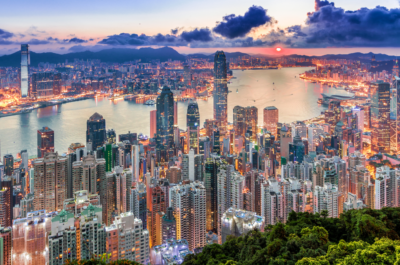
- Hong Kong
- Puerto Rico
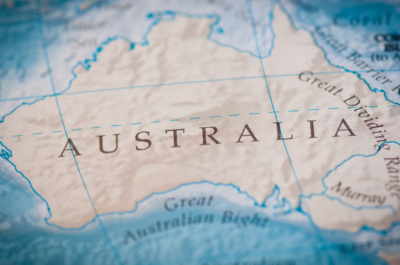
- Australia
- Norway
- United Kingdom
- Melbourne
Some of the key recommendations coming out from the global best practice analysis and from the workshops with senior members of tourism boards, travel professionals and academics suggest that destinations should
- Concentrate on the inspire-before-during-after phases of travel for consumers
- Create more interactivity within website
- Include trip planners and itineraries more visible for users within website
- Support SMEs and „manage by jealousy“ by encouraging the best to do better
- Create clusters of innovative users and support them
- Cluster theme products-microsites and social media that address niche markets
- Use appropriate social media for appropriate markets
- Implement news feed of social media channels
- Integrate strategic marketing/online marketing/social media/PR
- Use User Generate Content dynamically as a major strategy to inspire prospective travellers
- Take advantage of geotaging and prepare for location based services
- Develop video and multimedia content and drive web sites with visually attractive multimedia
- Integrate virtual reality applications, 360 degree tours or webcams to increase transparency of tourism product
- Improve current technologies and applications constantly to maintain standard
- Develop consumers to advocates/ambassadors of the destination brand
When looking into the future emerging tools for tourism destinations to develop and engage consumers, Bournemouth University eTourism Lab Director Professor Dimitrios Buhalis suggests that the future will emerge through a number of key technology applications that will offer the ability to destinations to develop innovation and dynamic products and engage in conversation before, during and after the travel experience. Those innovations include:
- Augmented reality / Virtual reality
- Gamification
- Experience based services and emotions marketing
- Real-time marketing – Service of now
- SoLoMo-marketing
- Social media based marketing
- Location / Context based marketing
- Mobile devices marketing
- Agile/Clever – networked destinations
Technology is bringing incredible tools for the future representation and promotion of tourism destinations online and for inspiring people to travel. Those Destinations Management Organisations that understand the power of technology and utilise it creatively will engage in dynamic dialogue with their stakeholders and offer attractive dynamically customised products to their clientele. Those players will develop their competitiveness and emerge as the main winners in the future.

TravelDailyNews Asia-Pacific editorial team has an experience of over 35 years in B2B travel journalism as well as in tourism & hospitality marketing and communications.